Houseplants bring life, color, and organic beauty to interior spaces. But how you display your plants is just as important as which plants you choose. Natural planters — woven baskets, terracotta pots, and ceramic vessels — transform ordinary houseplants into styled design elements that enhance your decor. This guide covers everything you need to know about styling plants with natural containers.
Why Natural Planters Matter
The planter you choose affects both the health of your plant and the visual impact of your display. Natural planters offer several advantages over plastic containers:
- Aesthetics: Natural materials like woven jute, terracotta, and ceramic complement any decor style
- Breathability: Terracotta and unglazed ceramic allow air exchange, promoting healthier roots
- Weight: Ceramic and terracotta provide stability for top-heavy plants
- Texture: Natural planters add visual and tactile texture to your space
Choosing the Right Planter Material
Woven Baskets
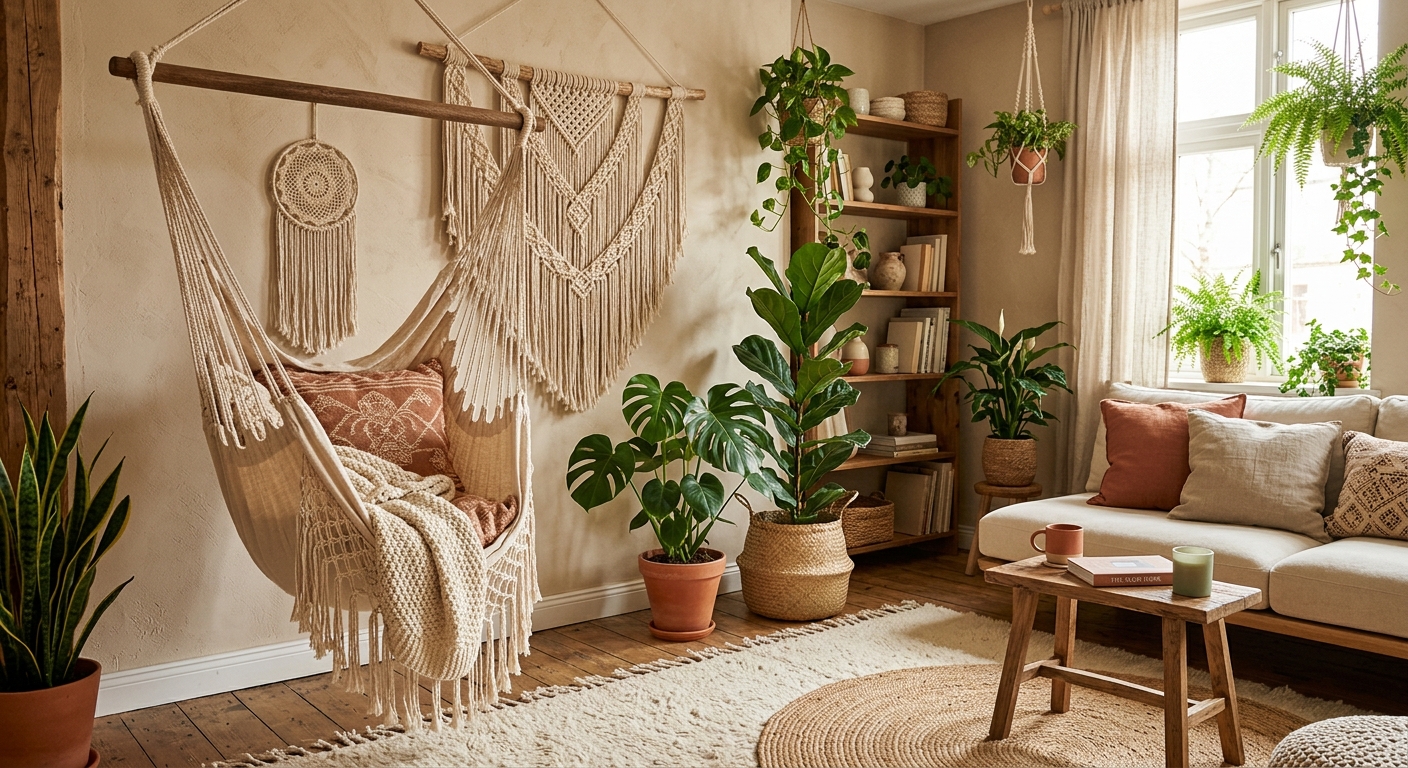
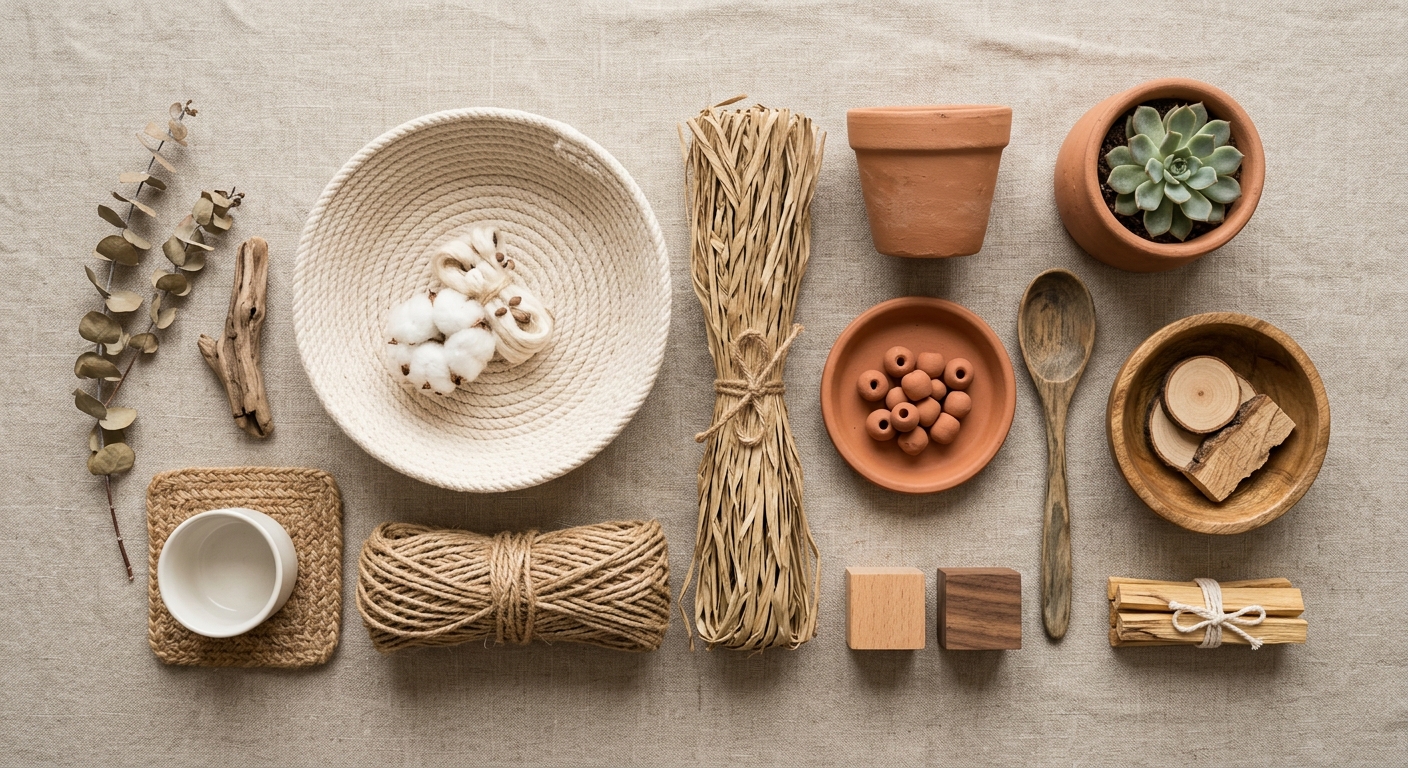
Woven baskets — typically made from jute, seagrass, or rattan — are a bohemian decor staple. They are perfect for hiding plastic nursery pots while adding texture to your plant display. Baskets are lightweight, affordable, and available in countless sizes and shapes.
When using woven baskets, keep your plant in its plastic nursery pot and simply place the pot inside the basket. This allows for easy watering and drainage while maintaining the aesthetic appeal of the basket. Add a saucer inside the basket to catch drainage water.
Terracotta Pots
Terracotta is a classic planter material made from fired clay. Its warm, earthy orange tone complements virtually any decor style. Terracotta is porous, meaning it allows air and moisture to pass through the walls — this promotes healthier root systems but means the soil dries out faster.
Terracotta is ideal for plants that prefer drier conditions, such as succulents, cacti, and Mediterranean herbs. For moisture-loving plants like ferns, consider glazed ceramic instead.
Ceramic Planters
Ceramic planters offer the most variety in terms of color, glaze, and shape. Hand-painted ceramics bring artisanal character, while sleek glazed ceramics suit modern interiors. Ceramic is heavy and stable, making it ideal for larger plants that might topple in lighter containers.
Glazed ceramic is non-porous, meaning it retains moisture longer than terracotta. This makes it suitable for plants that prefer consistently moist soil. Always ensure ceramic planters have drainage holes — if they do not, use them as cache pots and keep the plant in a plastic nursery pot inside.
Styling Plants by Room
Living Room
The living room is where plant styling shines. Create a plant corner with a mix of sizes — a large floor plant in a woven basket, a medium plant on a plant stand, and small succulents on shelves. Group plants in odd numbers (3 or 5) for a natural, collected look.
Bedroom
Bedrooms benefit from air-purifying plants like snake plants and pothos. Place a small plant in a ceramic pot on your nightstand, and a trailing plant on a high shelf. Keep bedroom plant displays minimal and calming.
Kitchen
The kitchen is perfect for herbs and small plants. Use terracotta pots for herbs on a windowsill, and display a small collection of succulents in ceramic pots on open shelves. A hanging plant in a macrame hanger adds greenery without taking counter space.
Bathroom
Bathrooms are ideal for humidity-loving plants like ferns and pothos. Place plants on shelves or windowsills in ceramic pots. The humidity from showers creates a perfect microclimate for tropical plants.
Creating Plant Groupings
Grouping plants creates more visual impact than scattering them individually. Here are grouping principles to follow:
- Vary heights: Mix tall, medium, and short plants for visual interest
- Vary textures: Combine broad leaves with fine foliage, smooth with textured
- Odd numbers: Groups of 3 or 5 look more natural than pairs
- Mix planter styles: Combine baskets, terracotta, and ceramic in one grouping
- Consider light: Group plants with similar light requirements together
Using Plant Stands and Shelves
Plant stands and shelves elevate your plant display — literally and figuratively. A tiered plant stand creates a vertical garden effect in a small footprint. Floating shelves with trailing plants create a living wall. Wooden plant stands add warmth, while metal stands add a modern touch.
When styling shelves with plants, mix them with books, ceramics, and other decor items. The plants should be part of a curated display, not isolated. A trailing plant next to a stack of books and a ceramic vase creates a styled, intentional look.
Hanging Plants and Macrame Hangers
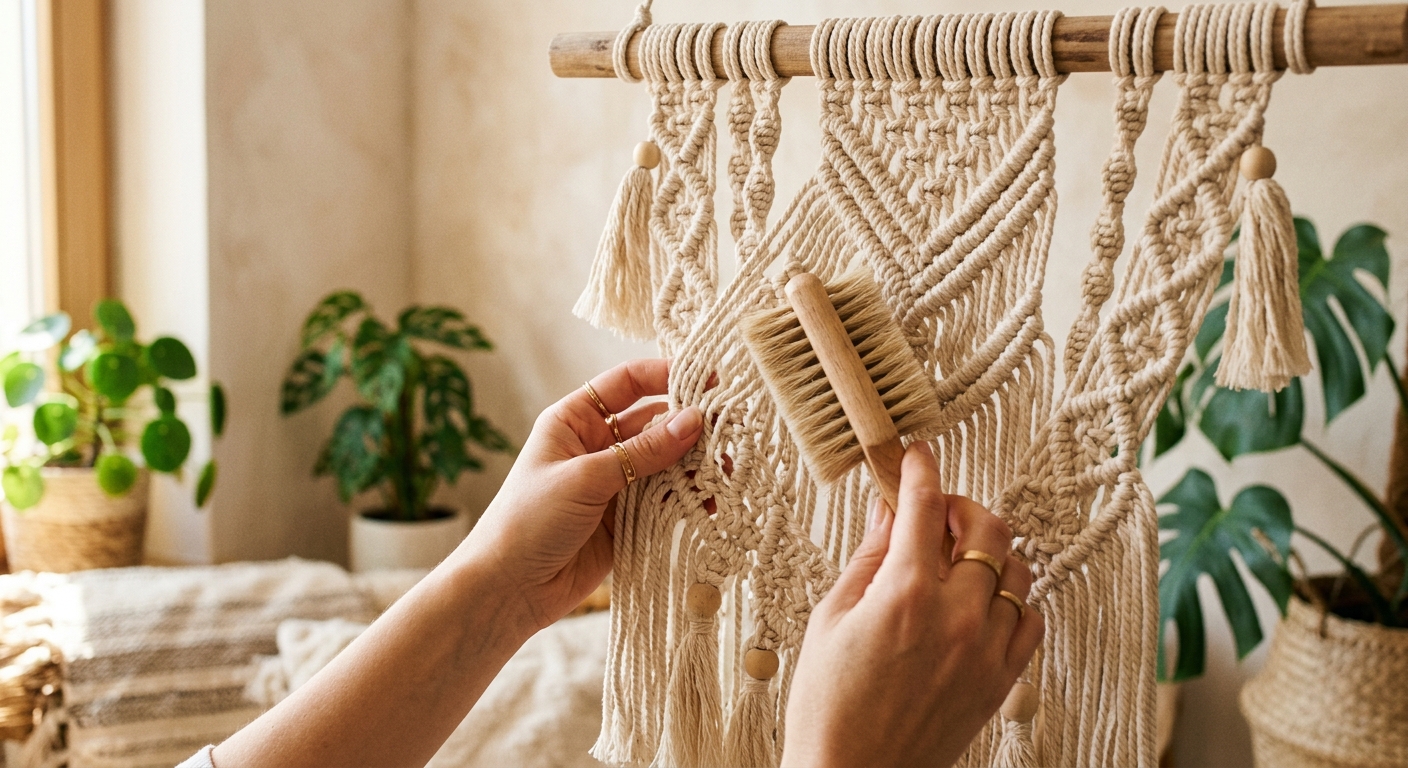
Hanging plants utilize vertical space and add dimension to your decor. Macrame plant hangers are the classic choice for bohemian interiors, but simple hooks with trailing plants work too. Hang plants near windows where they get light, and choose trailing varieties like pothos, string of pearls, or ivy for the best cascading effect.
Conclusion
Styling plants with natural planters transforms ordinary houseplants into design elements that enhance your decor. By choosing the right planter materials — woven baskets for texture, terracotta for breathability, ceramic for variety — and grouping plants thoughtfully, you can create indoor gardens that bring life and beauty to every room. Browse our collection of planters, baskets, and plant stands at Curations Home to start styling your indoor garden.
Frequently Asked Questions
Do woven baskets damage plants?
No, as long as you keep the plant in its nursery pot inside the basket. Baskets are not waterproof, so never pot directly into them. Use the basket as a decorative cover for the plastic pot.
Should I put rocks in the bottom of my planter?
This is a common myth. Rocks in the bottom of planters do not improve drainage — they actually raise the water table, keeping roots wetter. Instead, use well-draining potting soil and ensure your planter has drainage holes.
How do I know what size planter to choose?
Choose a planter 1-2 inches wider in diameter than the nursery pot. This gives the plant room to grow without leaving too much empty soil, which can stay too wet. When repotting, go up one pot size at a time.
Can I paint my terracotta pots?
Yes. Use acrylic or latex paint on clean, dry terracotta. Seal the inside with a waterproof sealant to prevent moisture from seeping through and damaging the paint. Painted terracotta loses its breathability, so adjust watering accordingly.
What plants are best for beginners?
Pothos, snake plants, ZZ plants, and succulents are all forgiving, low-maintenance choices. They tolerate a range of light conditions and do not require frequent watering — perfect for building confidence as a plant owner.