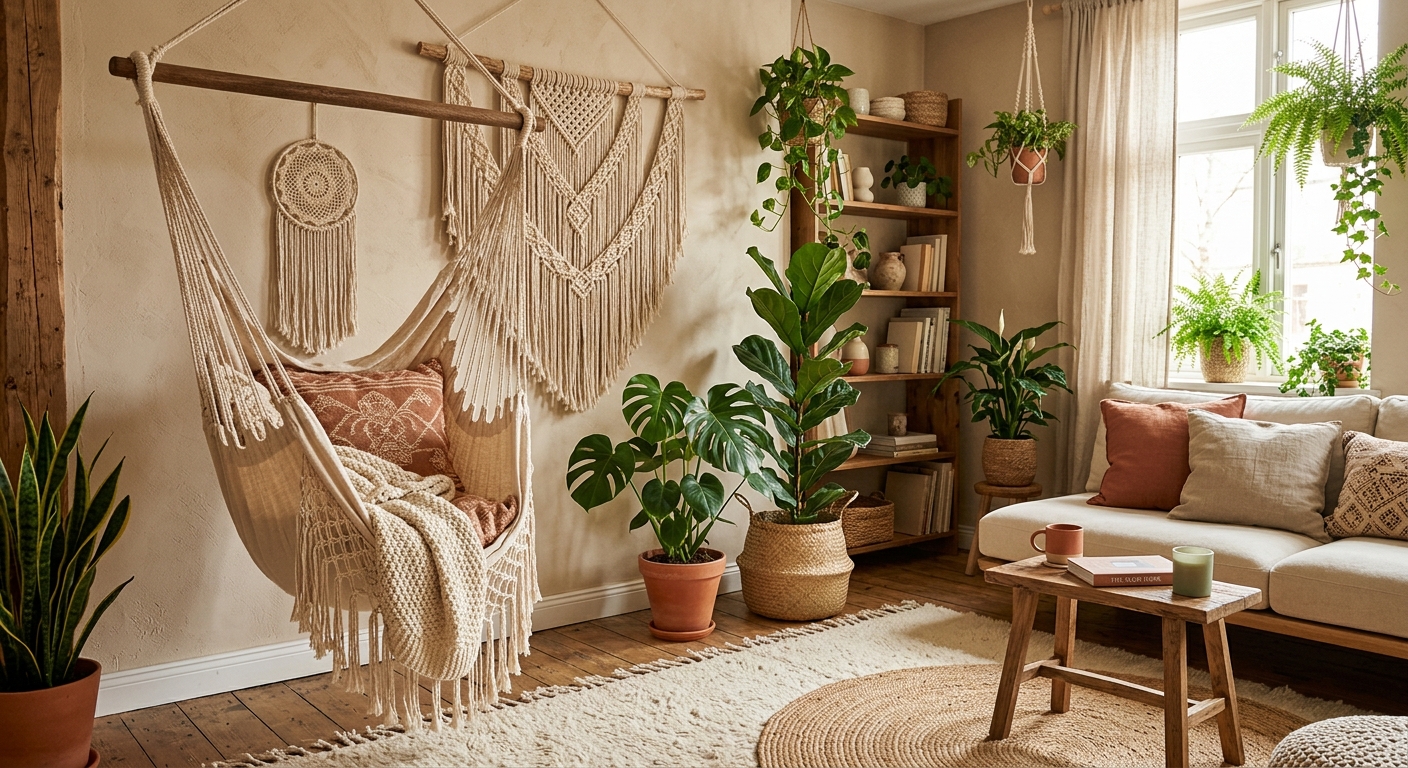
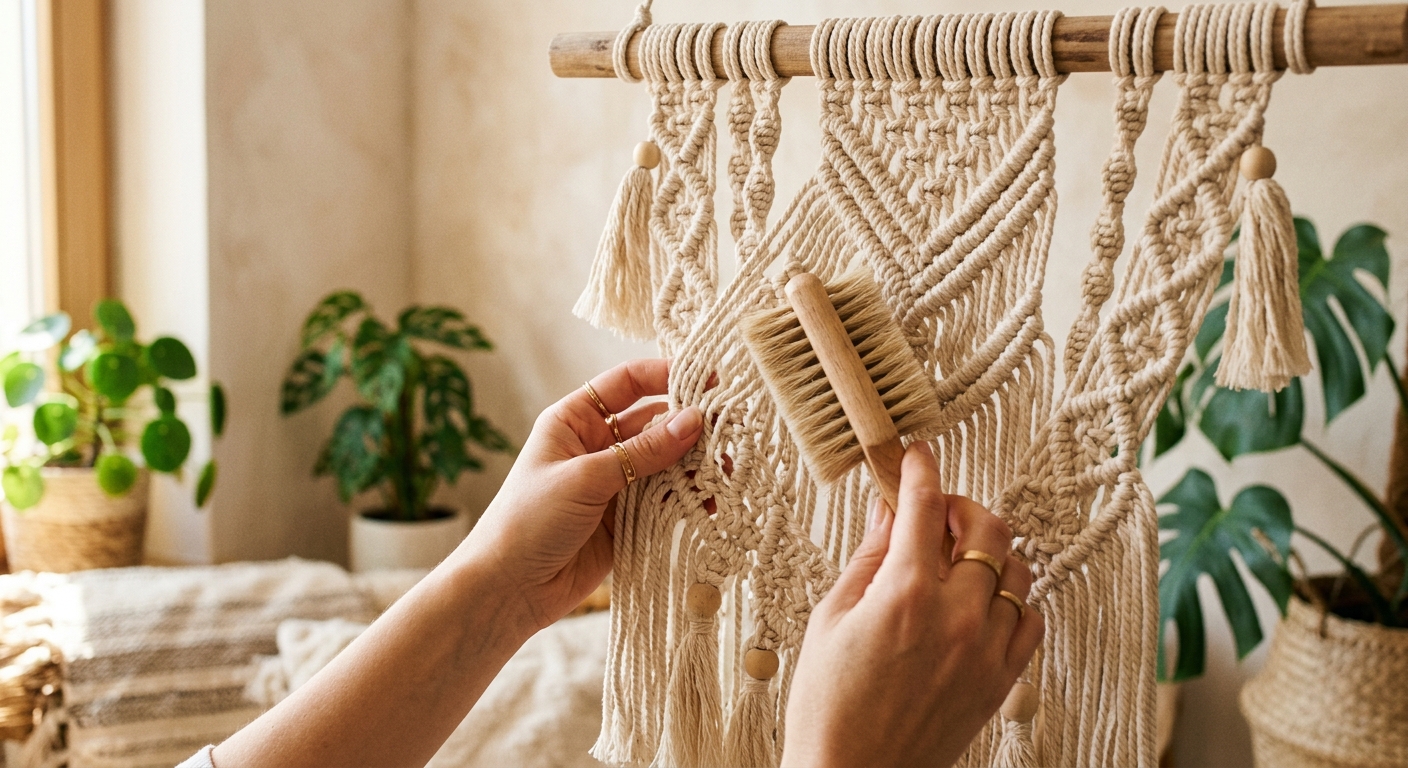
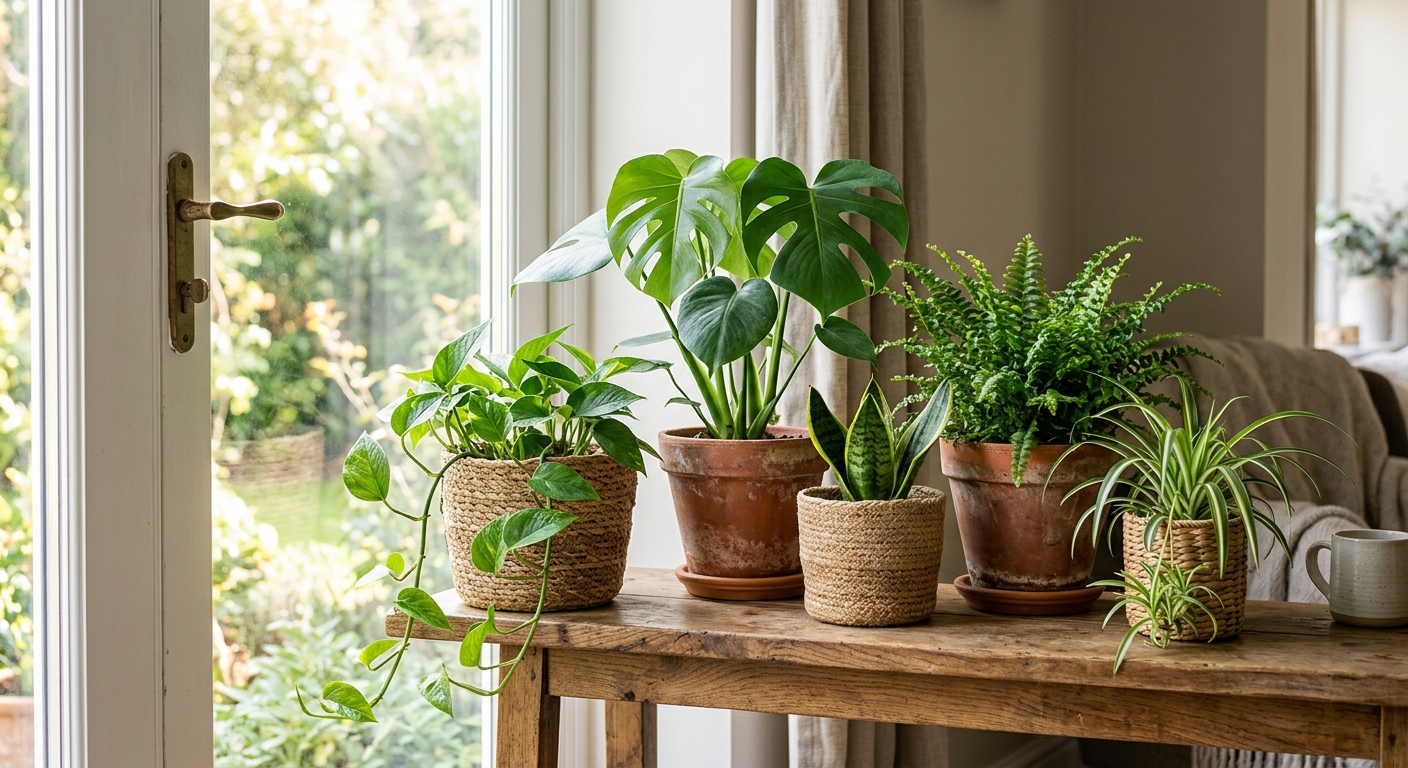
Natural materials bring warmth, texture, and authenticity to home decor in ways that synthetic materials cannot replicate. From handwoven cotton to solid wood to hand-thrown ceramic, each natural material has unique characteristics that affect its appearance, durability, and maintenance requirements. This guide helps you understand the most popular natural decor materials and choose the right ones for your space and lifestyle.
Cotton: Soft, Versatile, and Easy to Care For
Cotton is one of the most widely used natural fibers in home decor. It is soft, breathable, and available in a huge range of textures from smooth percale to chunky macrame cord. Cotton is also relatively easy to clean, making it ideal for items that see regular use.
Best Uses for Cotton
- Cushion covers and throw pillow covers
- Macrame wall hangings and plant hangers
- Hammock chairs and hanging seats
- Table linens and runners
- Lightweight throw blankets
Cotton Characteristics
Cotton is absorbent, which means it can stain easily but also accepts dye well, resulting in rich, varied colors. It is breathable and comfortable against the skin. Cotton does wrinkle, but this is often considered part of its natural charm in bohemian and casual interiors.
Jute: Rustic, Textured, and Durable
Jute is a coarse natural fiber extracted from the jute plant. It has a distinctive golden-brown color and a rough, textured feel. Jute is incredibly durable and is commonly used for rugs, baskets, and storage solutions.
Best Uses for Jute
- Area rugs and floor mats
- Storage baskets and organizers
- Plant pot covers
- Coasters and placemats
Jute Characteristics
Jute is naturally brownish, so it is typically left undyed or dyed in earthy tones. It is rougher than cotton but softer than seagrass. Jute rugs shed initially but settle over time. Jute should not be exposed to excessive moisture, as it can mold and deteriorate.
Wood: Warm, Timeless, and Repairable
Wood is the most versatile natural material in furniture and decor. From dining tables to floating shelves to serving boards, wood brings warmth and organic beauty to any space. Different wood species offer different colors, grain patterns, and durability levels.
Best Uses for Wood
- Furniture — dining tables, coffee tables, desks, bed frames
- Shelving — floating shelves, bookcases, wall shelves
- Serving pieces — cutting boards, serving boards, trays
- Decor — bowls, sculptures, candle holders
Wood Characteristics
Wood is durable, repairable, and develops character over time. Solid wood can be refinished repeatedly, making it a lifetime investment. Different species offer different looks: walnut for rich dark tones, oak for prominent grain, maple for clean light surfaces, and cherry for warm aging color.
Ceramic: Artisanal, Varied, and Timeless
Ceramic is made from clay that has been shaped and fired at high temperatures. Hand-thrown ceramic pieces have unique variations that mass-produced ceramics cannot replicate. Ceramic is used for planters, vases, dinnerware, and decorative bowls.
Best Uses for Ceramic
- Planters and pots for indoor plants
- Vases and decorative bowls
- Dinnerware — plates, bowls, mugs
- Candle holders and incense burners
Ceramic Characteristics
Ceramic is heavy, durable, and available in countless glazes and finishes. Hand-painted ceramics have a rustic, artisanal quality. Ceramic is water-resistant and easy to clean, making it ideal for planters and dinnerware. However, ceramic can chip or break if dropped.
Seagrass and Rattan: Lightweight and Tropical
Seagrass and rattan are natural materials commonly used in woven furniture and decor. They are lightweight, flexible, and bring a tropical or coastal feel to interiors.
Best Uses
- Woven baskets and storage
- Furniture — chairs, side tables, headboards
- Wall decor and mirror frames
- Planters and plant hangers
How to Choose the Right Materials
When selecting natural materials for your home, consider these factors:
- Lifestyle: If you have children or pets, choose durable, easy-to-clean materials like wood and ceramic over delicate macrame
- Room function: Kitchens benefit from ceramic and wood; living rooms from cotton and jute; bedrooms from cotton and wood
- Maintenance willingness: Some materials require more care — cotton needs regular dusting, wood needs oiling, ceramic is low-maintenance
- Color scheme: Natural materials come in earthy tones — choose materials that complement your existing palette
- Texture preference: Mix smooth (ceramic, finished wood) with textured (jute, macrame) for visual depth
Mixing Materials Successfully
The most interesting interiors mix multiple natural materials. Here are proven combinations:
- Wood + cotton + ceramic — a warm, balanced trio for living rooms
- Jute + wood + greenery — a natural, earthy combination for entryways
- Ceramic + cotton + seagrass — a light, coastal-inspired mix for kitchens
- Wood + jute + metal — a modern rustic combination for home offices
Conclusion
Choosing natural materials for home decor is about more than aesthetics — it is about creating spaces that feel authentic, warm, and connected to the natural world. Each material brings its own character, maintenance requirements, and beauty. By understanding the properties of cotton, jute, wood, ceramic, and seagrass, you can make informed choices that suit your lifestyle and design preferences. Browse our collection at Curations Home for handcrafted pieces in all these natural materials.
Frequently Asked Questions
Are natural materials more expensive than synthetic?
Natural materials can be more expensive upfront, but they often last longer and age more beautifully than synthetic alternatives. A solid wood table can last generations, while a particle board table may need replacement in 5-10 years.
Which natural material is easiest to maintain?
Ceramic is the lowest-maintenance natural material — it is water-resistant, easy to clean, and does not require oiling or special care. Wood and cotton require more regular maintenance.
Can I mix natural materials with synthetic ones?
Yes. Mixing natural and synthetic materials is common in modern interiors. For example, a polypropylene rug (synthetic) can work well with a solid wood coffee table (natural) and cotton cushions (natural).
Are natural materials eco-friendly?
Generally yes. Natural materials are biodegradable and often sourced from renewable resources. Look for products made from sustainably sourced wood and organically grown cotton for the most eco-friendly options.
What is the most durable natural material for furniture?
Solid wood is the most durable natural material for furniture. Hardwoods like oak, maple, and walnut can last for generations with proper care and can be refinished multiple times.