Bohemian style is about more than just decor — it is a philosophy of living that embraces warmth, texture, and individuality. At its core, bohemian design layers natural materials, earthy colors, and handcrafted pieces to create spaces that feel collected over time rather than assembled all at once. This guide walks you through the principles of bohemian styling and how to bring them into your own home.
The Foundations of Bohemian Design
Bohemian interiors share several key characteristics that distinguish them from other design styles. Understanding these foundations helps you make intentional choices rather than simply accumulating decor items.
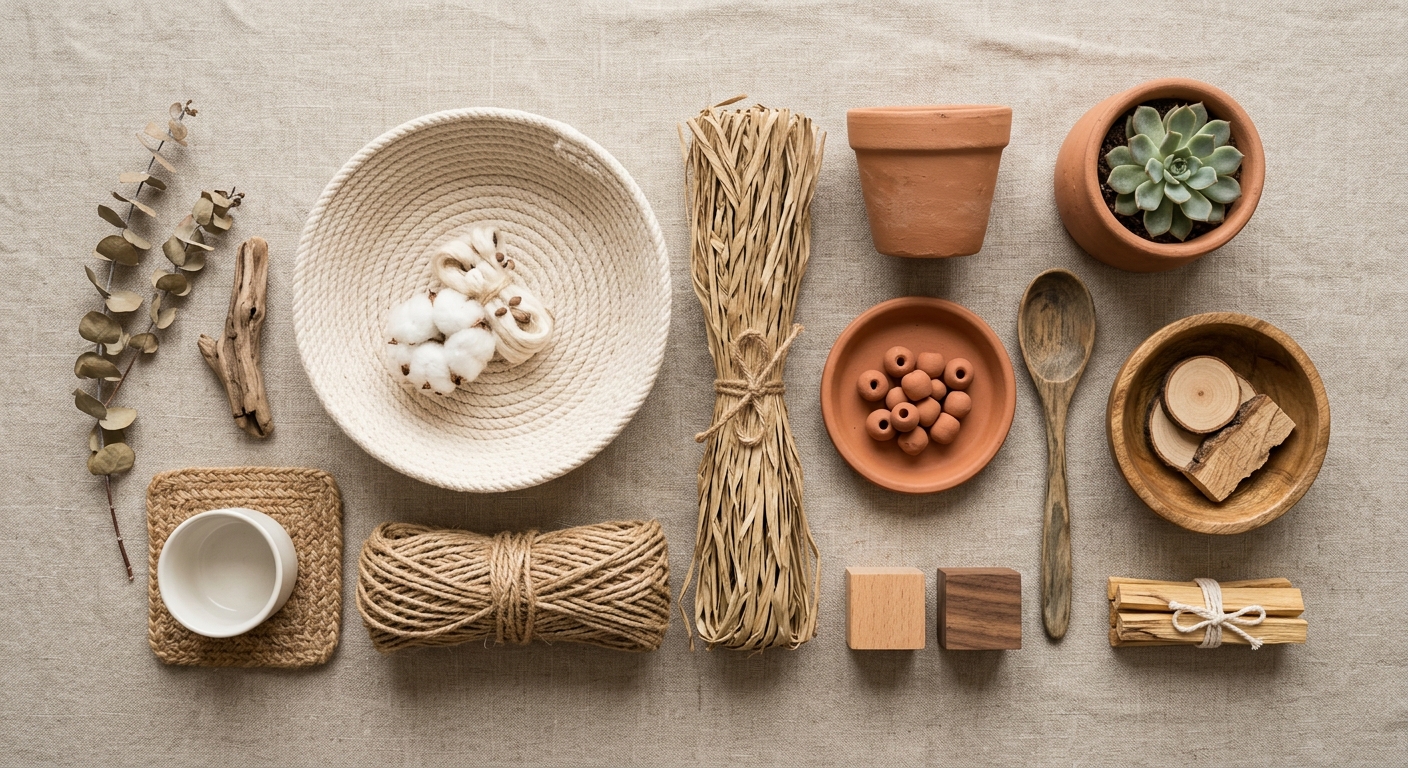
- Layered textures: Mix cotton, jute, wool, wood, and ceramic in a single space
- Earthy color palette: Beige, terracotta, sage green, warm brown, and muted gold
- Handcrafted pieces: Items that show the maker's hand — macrame, handwoven baskets, pottery
- Plants and greenery: Living elements that bring nature indoors
- Collected over time: A mix of old and new, found and made, rather than matching sets
Starting with a Neutral Base
Begin with walls in warm white, cream, or soft beige. These neutral tones provide a canvas that allows textured decor pieces to stand out. If you prefer more color, consider a single accent wall in terracotta or sage green, but keep the majority of the space neutral to avoid visual overwhelm.
Flooring should be natural — hardwood, bamboo, or a neutral wool rug. Layer smaller rugs on top for added texture and warmth. A jute rug as a base layer with a smaller patterned cotton rug on top creates depth and visual interest.
Layering Textures
Texture is the most important element of bohemian design. The goal is to engage not just the eyes but also the sense of touch. Here is how to layer textures effectively:
Walls
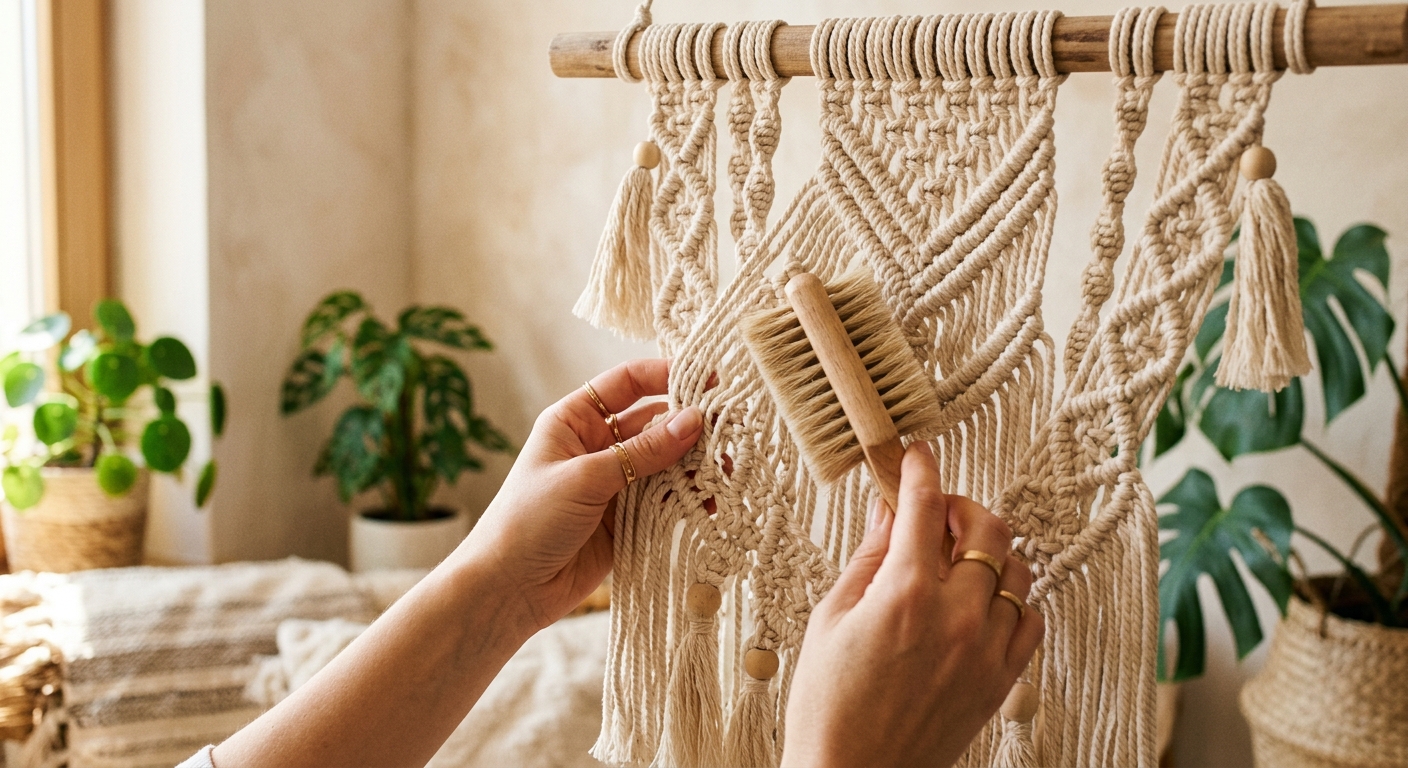
Macrame wall hangings are the quintessential bohemian wall decor. A large macrame piece can anchor a blank wall, while smaller pieces can be grouped for a gallery effect. Mix in woven baskets displayed as wall art, canvas prints in neutral tones, and mirrors with natural wood or rattan frames.
Floor
Layer rugs of different textures — a flatwoven cotton rug over a plush wool base, or a round jute rug beneath a rectangular patterned piece. The key is varying both texture and shape to create visual interest at floor level.
Furniture
Choose furniture in natural materials — a solid wood coffee table, a rattan armchair, a linen sofa. Mix wood tones rather than matching them. A walnut side table next to an oak coffee table creates a richer, more collected look than matching pieces.
Soft Furnishings
Layer throw pillows in different textures — boucle, linen, velvet, and cotton. Mix patterns subtly rather than boldly. Drape throw blankets over chairs and sofa arms. The goal is abundance without clutter — every surface should invite touching.
Choosing the Right Color Palette
Bohemian color palettes draw from nature. Start with these base colors and add accents as desired:
- Base: Cream, beige, warm white, oatmeal
- Primary accents: Terracotta, rust, warm brown
- Secondary accents: Sage green, olive, muted olive
- Pop colors: Mustard yellow, dusty rose, muted teal
The rule of thumb is 70% neutral base, 20% primary accent, 10% pop color. This creates a space that feels warm and layered without becoming visually chaotic.
Incorporating Plants
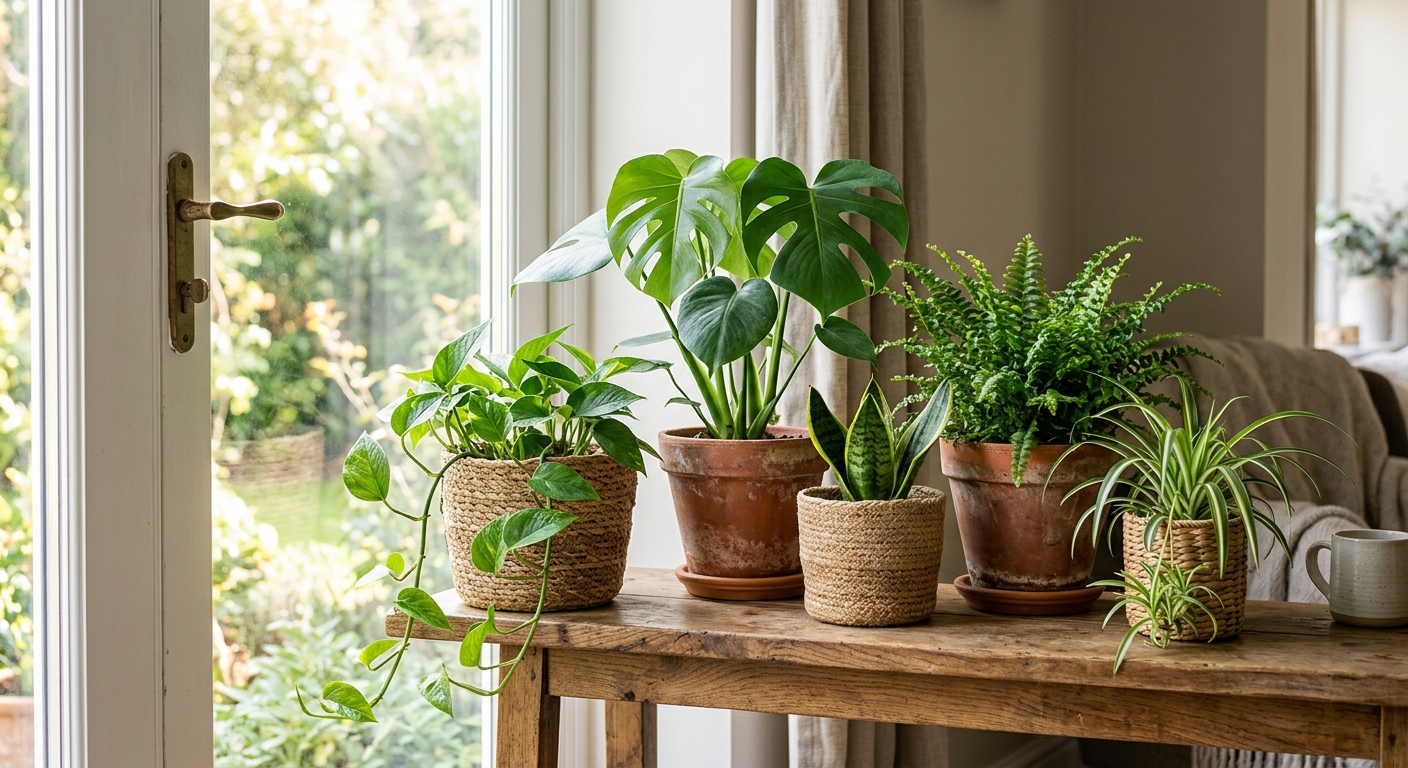
Plants are essential to bohemian interiors. They bring life, color, and organic shapes to a space. Use a mix of trailing plants (pothos, string of pearls), structural plants (fiddle leaf fig, monstera), and small accents (succulents, air plants).
Display plants in natural containers — woven baskets, terracotta pots, ceramic planters. A collection of plants in varied containers on a wooden shelf creates an instant indoor garden effect.
Lighting for Warmth
Lighting sets the mood in a bohemian space. Avoid harsh overhead lighting in favor of layered, warm-toned light sources:
- Floor lamps with warm bulbs (2700K-3000K)
- Table lamps with linen or cotton shades
- Copper string lights for ambient glow
- Candle holders and lanterns for flickering warmth
Conclusion
Styling a bohemian home is about creating a space that feels warm, personal, and collected over time. By layering natural textures, choosing earthy colors, incorporating plants, and selecting handcrafted pieces, you can transform any room into a bohemian retreat. Browse our collection at Curations Home for macrame, baskets, planters, lighting, and textiles to start your bohemian styling journey.
Frequently Asked Questions
What is the difference between bohemian and eclectic style?
Bohemian style specifically emphasizes natural materials, earthy colors, and handcrafted pieces. Eclectic style is broader, mixing any styles and periods. Bohemian is a subset of eclectic with a natural, earthy focus.
Can I mix bohemian style with modern decor?
Absolutely. Modern bohemian (or "modern boho") is a popular style that pairs clean modern furniture with bohemian textiles and accessories. The contrast creates a fresh, updated look.
How many plants do I need for a bohemian look?
There is no set number, but 3-5 plants of varying sizes is a good starting point for a living room. Mix trailing, structural, and small accent plants for variety.
What colors are considered bohemian?
Earthy, natural tones: cream, beige, terracotta, sage green, warm brown, mustard yellow, and muted teal. The palette draws from nature and avoids bright, saturated colors.
Is macrame still in style?
Yes. Macrame has evolved beyond its 1970s roots into a sophisticated decor element. Modern macrame uses finer knots, natural cotton, and minimalist designs that complement contemporary interiors.